The Jewish holiday season is one of the most fascinating times to visit Israel.
From Selichot in Jerusalem and the unusual silence of Yom Kippur to Sukkot celebrations and families traveling across the country during Chol HaMoed, this time of year offers experiences you simply won’t find during an ordinary trip.
But it also requires a little more planning.
Opening hours change, public transportation stops during holidays, popular sites fill up quickly, and traffic can become a major part of your day if you don’t plan around it.
Here are my practical tips for traveling in Israel during the Jewish holiday season — what to expect, how to avoid unnecessary crowds, and how to make the most of your trip.
Check the Calendar
One of the most important things to remember is that Jewish holidays begin in the evening, not the following morning.
On the eve of Rosh Hashanah, Yom Kippur, Sukkot and other holidays, shops and attractions may close early, while public transportation gradually stops operating.
During the holiday itself, trains and most buses do not operate.
Pay particular attention when a holiday falls close to Shabbat. This can create a long stretch with very limited public transportation, so plan transfers between cities accordingly.
And don’t forget to buy groceries, water or anything else you may need before the holiday begins.
Skip the Car
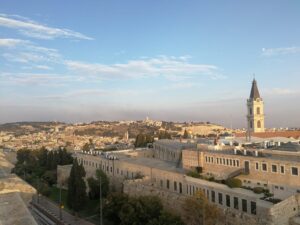
Jerusalem is incredible during the holidays — but driving there can be challenging.
During Selichot, Sukkot and other major holiday events, roads around the city center and Old City can become extremely congested, parking fills quickly, and temporary road closures are common.
If you’re coming from Tel Aviv, consider taking the train to Jerusalem and continuing by light rail or on foot.
And Jerusalem isn’t the only city that’s easy to explore without a car. The train can take you to destinations such as Haifa and Akko, making them excellent options for holiday day trips without spending hours sitting in traffic.
Just remember that trains can also become busy during Chol HaMoed, so allow some extra time.
Know Chol HaMoed
Chol HaMoed — the intermediate days of Sukkot — may look like regular weekdays on the calendar.
They aren’t.
Public transportation operates and many businesses remain open, but schools are closed and many Israelis take vacation days. Families across the country use these days to travel.
National parks, museums, attractions, beaches and hiking areas can therefore be considerably busier than you would normally expect on a weekday.
Don’t assume Tuesday morning will be quiet simply because it isn’t the weekend.
Start Early
During the holidays, starting early can completely change your day.
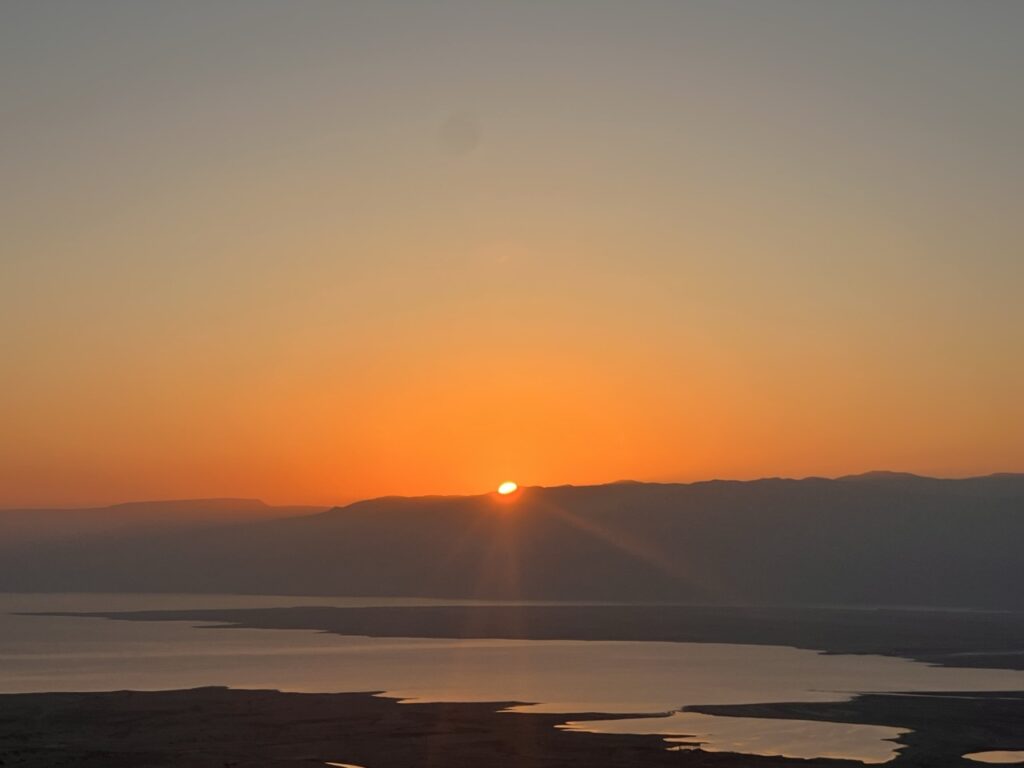
If a national park opens at 8:00, arriving close to opening time often means cooler weather, easier parking and fewer people.
Arriving at the same place around 11:00 can mean traffic at the entrance, crowded trails and full parking lots.
This is especially important for nature reserves and popular family attractions during Chol HaMoed.
On particularly busy days, make your most popular destination your first stop.
Book Ahead
The holiday season isn’t the best time for completely spontaneous travel.
Popular attractions can sell out, restaurants become busy, tours fill up and some national parks or activities may require reservations.
If there is something you definitely want to experience, book it in advance.
This becomes especially important during Chol HaMoed, when thousands of Israeli families are traveling at the same time.
Free Means Busy
Israel has plenty of wonderful free places to visit — but during the holidays, everyone else knows about them too.
Free parks, picnic areas, springs, beaches and hiking trails can become extremely crowded.
Sometimes choosing an attraction with timed admission can actually give you a calmer experience than heading to a popular free alternative.
You don’t need to avoid free sites altogether. Visit early, have a backup plan and don’t rely on finding parking at noon at one of Israel’s most popular recreation areas.
Holiday Picnics
If you see smoke rising from almost every forest and picnic area, you’ve discovered one of Israel’s unofficial holiday traditions: the barbecue.
During holidays and Chol HaMoed, Israeli families head to forests and parks for picnics and al ha’esh — literally “on the fire,” the Israeli expression for a barbecue.
It’s part of the local holiday experience, but it also means popular picnic areas fill up quickly.
If you’re planning to visit one yourself, arrive in the morning. By lunchtime, some parks can become so busy that finding parking — or even entering with a car — can be difficult.
Check Opening Hours
Holiday opening hours can be unpredictable.
Museums may operate on reduced schedules, restaurants can close early before a holiday, and attractions that are normally open may be closed altogether.
Don’t rely exclusively on the usual opening hours you find online.
Check the attraction’s official website or social media shortly before your visit, particularly if you’re traveling on a holiday eve or during the holiday itself.
Selichot Nights
In the weeks leading up to Yom Kippur, Jerusalem comes alive after dark.
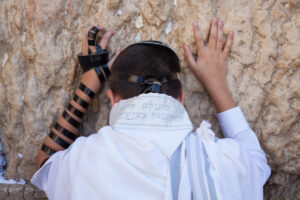
Thousands of people walk through neighborhoods such as Nachlaot and the Old City on their way to Selichot — special penitential prayers traditionally recited during this period.
It’s one of the most atmospheric times of year to experience Jerusalem.
It’s also one of the busiest.
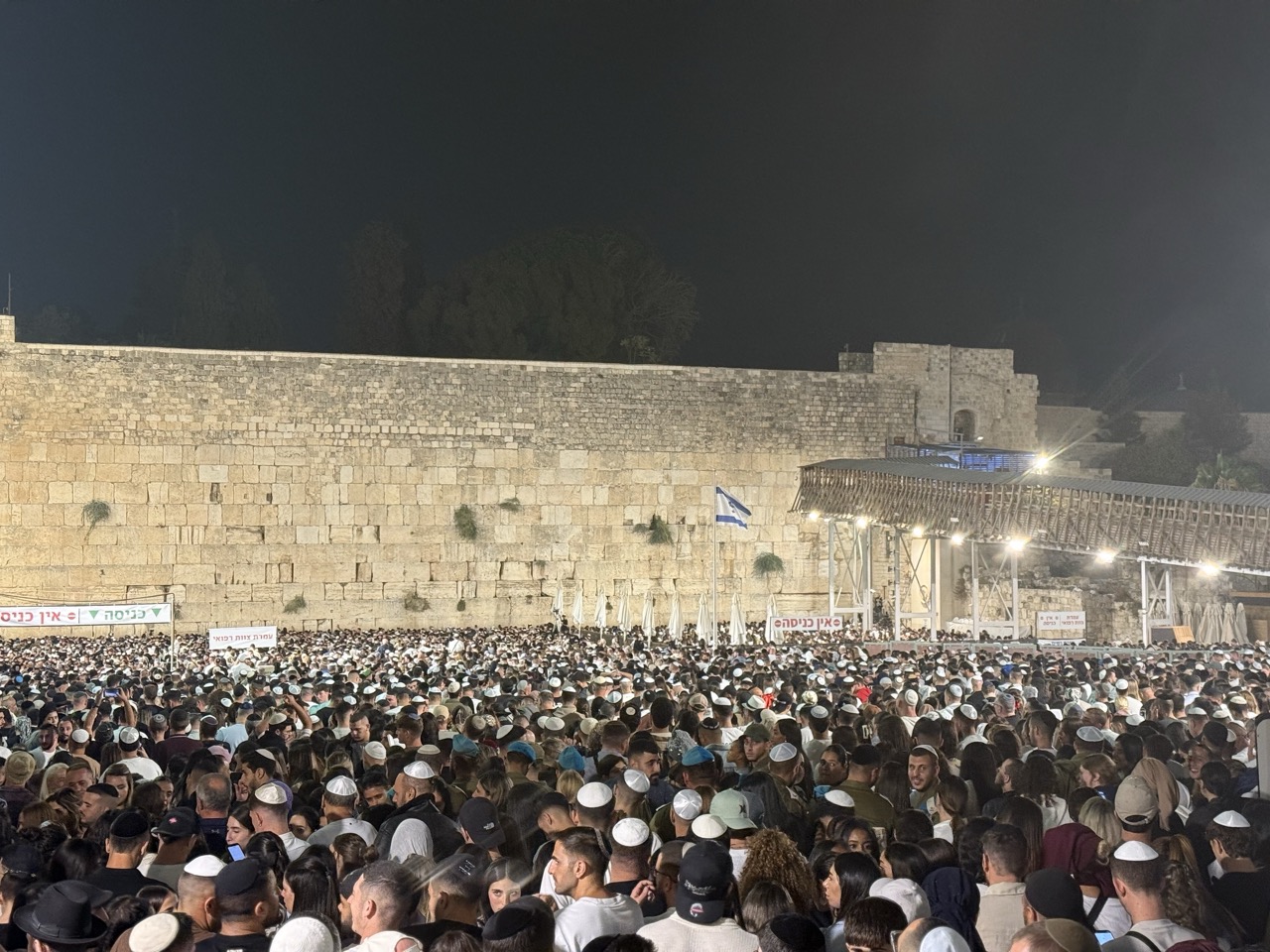
On the major Selichot nights, the Old City and Western Wall area can become extremely crowded late at night. Plan your transportation in advance and expect walking and travel times to take longer than usual.
This is one occasion when the crowds aren’t necessarily something to avoid — they’re part of the experience.
Yom Kippur
There is nothing quite like Yom Kippur in Israel.
Public transportation stops, most businesses and restaurants close, and the roads become almost completely empty of cars.
For visitors, it can be an extraordinary opportunity to see a side of Israel that exists for only one day each year.
But you need to prepare for it.
Make sure you have food, water and anything else you need before the fast begins. Don’t plan on traveling between cities, and don’t assume you’ll be able to find an open restaurant.
Instead, choose where you want to spend Yom Kippur and experience the day there.
Sukkot in Israel
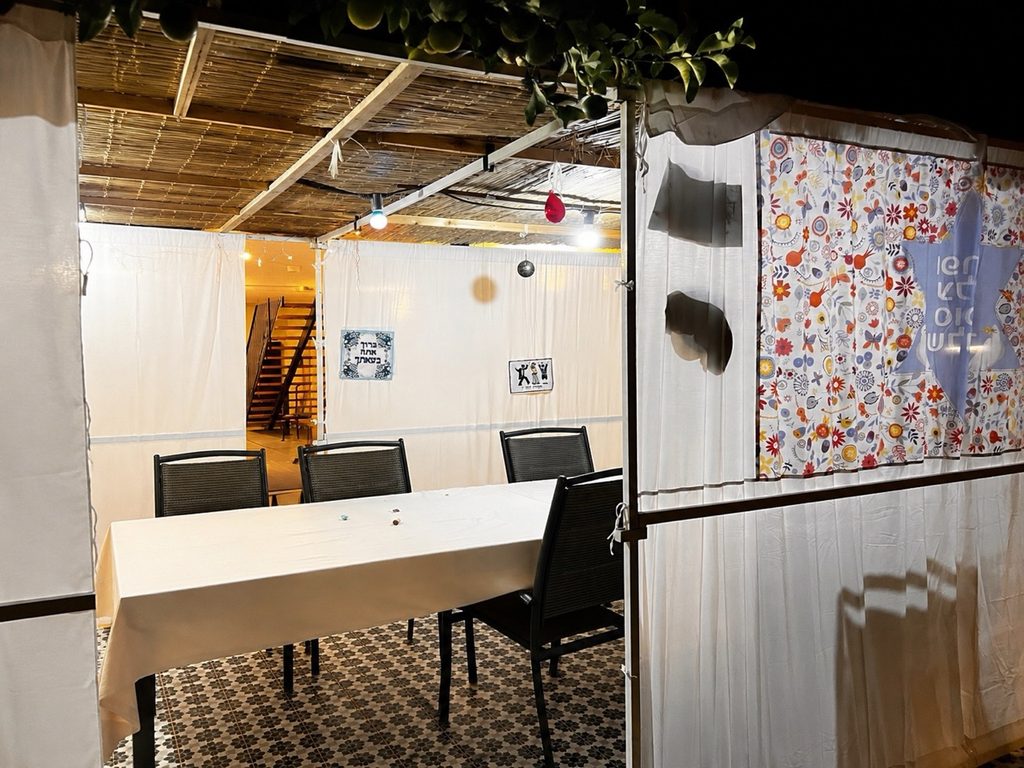
During Sukkot, temporary huts — sukkot — appear everywhere.
You’ll see them on balconies, outside homes, beside synagogues and even at restaurants.
Many kosher restaurants build their own sukkah, allowing guests to eat inside as part of the holiday tradition. If that’s something you’d like to experience, ask when making your reservation — seating inside the sukkah itself may be limited.
In Jerusalem, major Sukkot events, particularly around the Western Wall, can attract enormous crowds, so plan your visit accordingly.
Embrace the Crowds
Not every crowd needs to be avoided.
Standing among thousands of people during Selichot in Jerusalem, seeing sukkot appear across the country, walking through unusually quiet streets on Yom Kippur or watching Israeli families fill the parks during Chol HaMoed can tell you just as much about Israel as an archaeological site or museum.
The trick is knowing which crowds are part of the experience — and which ones are simply going to leave you sitting in traffic.
Plan your transportation carefully, reserve important attractions, start early and leave some flexibility in your itinerary.
Traveling during the Jewish holiday season isn’t quite like visiting Israel at any other time of year.
And that’s exactly what makes it special.
Traveling During the Holidays?
The Jewish holiday season is a wonderful time to explore Israel — but understanding the holiday schedule, transportation, crowds and local traditions can make a huge difference.
I offer private, tailor-made tours throughout Israel, from Jerusalem and Tel Aviv to the Galilee, Dead Sea, northern Israel and beyond.
Whether you want to experience the holiday traditions themselves or simply create an itinerary that makes sense for the season, I’ll help you make the most of your time in Israel.
Join me and experience Israel beyond the usual itinerary.