Museums, Underground Adventures, and Hands-On Experiences for Winter in Israel
Rainy days in Israel don’t have to mean staying in your hotel. While Israel is famous for its sunny beaches, desert landscapes, and outdoor archaeological sites, winter is also a wonderful opportunity to discover a different side of the country.
From ancient underground cities and fascinating museums to chocolate-making workshops and local cheese farms, there are plenty of places to explore when the weather isn’t cooperating.
Whether you’re traveling with kids, exploring Israel for the first time, or simply looking for something different to do, here are 12 places to visit in Israel on a rainy day, organized by region.
Jerusalem
1. Tower of David Museum
Located beside Jaffa Gate, the Tower of David Jerusalem Museum takes visitors on a journey through more than 3,000 years of Jerusalem’s history.
The museum combines ancient architecture with modern technology, interactive exhibitions, archaeological discoveries, and multimedia presentations. It’s an excellent place to understand how Jerusalem developed and why it became so important to Judaism, Christianity, and Islam.
Rainy day tip: Focus on the indoor galleries, as the citadel’s courtyards and some viewpoints are outdoors.
2. Western Wall Tunnels
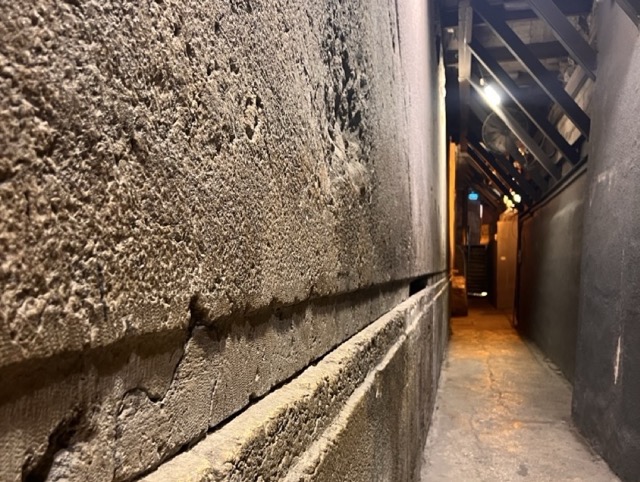
Beneath the streets of Jerusalem’s Old City lies an extraordinary world of ancient passageways, massive stone walls, and archaeological discoveries.
The Western Wall Tunnels allow visitors to explore sections of the Western Wall hidden beneath today’s city, revealing layers of Jerusalem’s history dating back to the Second Temple period.
Walking underground, you’ll discover impressive engineering, ancient construction techniques, and stories that bring Jerusalem’s past to life.
Rainy day tip: Book your guided tour in advance. Although the tunnels themselves are underground, reaching the entrance requires walking through the Old City.
3. The Israel Museum
One of Israel’s most important cultural institutions, the Israel Museum offers an impressive collection of archaeology, Jewish art, and international art.
Among its highlights is the Shrine of the Book, home to the Dead Sea Scrolls, some of the most significant archaeological discoveries of the 20th century.
The archaeology wing is particularly fascinating for visitors interested in understanding the ancient civilizations that shaped this region.
Rainy day tip: Plan to spend at least two or three hours exploring the indoor exhibitions. Some parts of the museum complex require walking outdoors between buildings.
Tel Aviv & Central Israel
4. ANU – Museum of the Jewish People
Located on the Tel Aviv University campus, ANU offers a modern, interactive exploration of Jewish identity, culture, history, and communities around the world.
Rather than focusing only on historical events, the museum explores Jewish traditions, creativity, music, languages, and the connections between Jewish communities across generations.
Its multimedia displays and interactive exhibits make it an engaging experience for adults and families alike.
Rainy day tip: This is one of the easiest options for a full indoor museum visit in Tel Aviv.
5. Steinhardt Museum of Natural History
Ever wondered what makes Israel’s wildlife so unique?
The Steinhardt Museum of Natural History, also located at Tel Aviv University, introduces visitors to the remarkable biodiversity of Israel and the surrounding region.
From desert animals to Mediterranean ecosystems, the museum explores the relationship between nature, geography, and human activity.
It’s especially enjoyable for families, but adults interested in nature and science will find plenty to discover.
Rainy day tip: A great indoor activity for families with children, with exhibitions that can easily fill a few hours.
6. Ayalon Institute
Hidden beneath what once appeared to be an ordinary kibbutz laundry facility near Rehovot was one of the most remarkable secret operations in the years leading up to Israel’s independence.
The Ayalon Institute tells the story of an underground ammunition factory operated by young members of the Jewish underground during the British Mandate.
Visitors descend into the concealed factory and discover how its workers managed to manufacture ammunition while keeping the entire operation secret.
It’s a fascinating combination of history, ingenuity, and suspense.
Rainy day tip: The main attraction is underground, making it particularly suitable for winter. Guided visits should be arranged in advance.
Acre & Western Galilee
7. Knights’ Halls of Acre
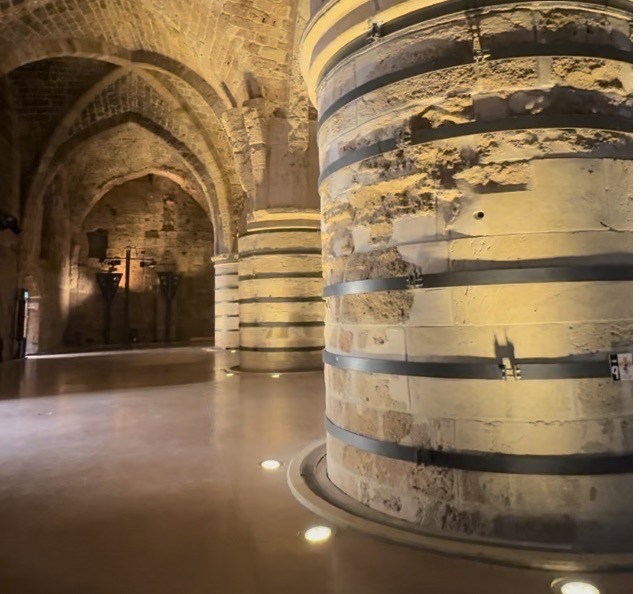
Beneath the streets of Acre’s Old City lies one of the most impressive Crusader complexes in the world.
During the Crusader period, Acre became an important port city and a major center for European knights, merchants, and pilgrims traveling to the Holy Land.
Today, visitors can explore enormous vaulted halls, stone corridors, and underground chambers that reveal the city’s medieval past.
The impressive architecture makes it easy to imagine life in Acre more than 700 years ago.
Rainy day tip: Much of the complex is sheltered, although some sections and access routes are exposed to the weather.
8. Underground Prisoners Museum
Acre’s historic fortress also played an important role during the British Mandate, when it served as a prison for members of the Jewish underground.
The Underground Prisoners Museum tells the stories of the prisoners, their struggle against British rule, and the dramatic events that took place within the prison walls.
The museum offers a powerful perspective on the years preceding the establishment of the State of Israel.
Rainy day tip: Most of the historical displays are indoors, but check the visiting arrangements before arriving.
Sea of Galilee & Northern Israel
9. Galita Chocolate Farm
What could be better than making chocolate on a rainy winter day?
Located at Kibbutz Degania Bet, near the Sea of Galilee, Galita Chocolate Farm offers hands-on chocolate workshops where visitors can create their own sweet treats.
It’s a fun break from historical sightseeing and a particularly enjoyable experience for families, couples, and anyone with a sweet tooth.
The workshops introduce visitors to chocolate-making techniques while giving everyone the chance to get creative.
Rainy day tip: Reserve your workshop in advance and check the available activities for your group’s ages and interests.

10. Yigal Allon Center & the Ancient Galilee Boat
On the shores of the Sea of Galilee, the Yigal Allon Center in Kibbutz Ginosar is home to an extraordinary archaeological discovery: a wooden fishing boat dating back approximately 2,000 years.
Discovered in 1986 during a period of unusually low water levels, the boat was carefully excavated and preserved.
Often called the “Jesus Boat,” it provides a rare glimpse into everyday life around the Sea of Galilee during the first century CE.
Although there is no evidence connecting the boat directly to Jesus, its age and location make it especially interesting for visitors exploring the region’s biblical history.
Rainy day tip: The ancient boat is displayed indoors, making this an excellent stop while traveling around the Sea of Galilee.
Judean Foothills
11. Iza Pziza Cheese Farm
If you’re looking for a culinary experience beyond Israel’s famous markets and restaurants, consider a visit to Iza Pziza, a local goat cheese farm in the Judean Foothills.
The farm introduces visitors to artisanal cheese production, local agriculture, and the traditions of small-scale food making.
A cheese-making workshop offers a hands-on opportunity to learn about the process and enjoy the flavors of locally produced cheeses.
It’s a lovely way to experience Israel’s rural food culture.
Rainy day tip: Arrange an indoor workshop in advance rather than planning an outdoor farm visit.
The Negev Desert
12. Makhtesh Ramon Visitor Center
Rain in the desert is a special experience, and Mitzpe Ramon offers a fascinating destination even when outdoor hiking isn’t possible.
The Makhtesh Ramon Visitor Center introduces visitors to the extraordinary geological story of the Ramon Crater, the world’s largest erosion makhtesh.
The center also tells the story of Ilan Ramon, Israel’s first astronaut, connecting his remarkable life with the dramatic desert landscape.
Through exhibitions, films, and interactive displays, visitors can discover how millions of years of geological processes shaped this unique natural wonder.
Flash Floods in the Desert
Planning to visit Mitzpe Ramon, the Negev, the Dead Sea, or the Judean Desert? During winter storms, flash floods can develop suddenly in desert streams and valleys, even when it’s not raining where you are.
Before traveling south, check the latest weather forecasts, flash flood warnings, and road closures. Some roads and hiking trails may be closed due to flooding, and conditions can change quickly.
Never enter a flooded road or streambed, and avoid hiking in desert valleys when flash flood warnings are in effect. If severe weather is expected, consider changing your plans and exploring one of Israel’s indoor attractions in another region instead.
Tips for Traveling in Israel During Winter
Israel’s rainy season generally runs from November through March, although rainfall varies significantly between regions.
While the Mediterranean coast and northern Israel receive most of the country’s winter rainfall, Jerusalem can be cold and occasionally snowy, and the desert may experience dangerous flash floods.
A few practical tips can make your winter trip much easier:
- Book ahead: Museums, workshops, and guided underground tours may require advance reservations, especially on weekends and school holidays.
- Check opening hours: Some attractions close early on Fridays or remain closed on Saturdays and Jewish holidays.
- Allow extra travel time: Heavy rain can cause traffic delays, particularly around major cities.
- Dress in layers: Even when attractions are indoors, some historic buildings and underground sites can be chilly.
- Stay flexible: Keep a few indoor alternatives in your itinerary so you can adjust your plans according to the weather.
Discover Israel Beyond the Weather
A rainy day doesn’t have to interrupt your travels. Sometimes, it creates the perfect opportunity to discover places you might otherwise overlook.
Whether you’re exploring Jerusalem’s underground history, making chocolate near the Sea of Galilee, or discovering the secrets of an underground ammunition factory, winter reveals another side of Israel’s history, culture, and creativity.
Planning a winter trip to Israel?
Join me in discovering Israel through its fascinating stories, local traditions, and hidden treasures. I offer private, personalized tours designed around your interests, the season, and the weather.