City of David
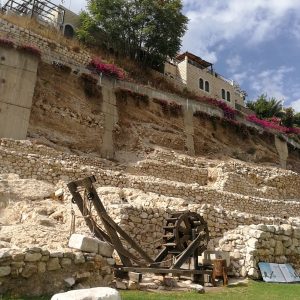
We begin the tour at the top of the City of David, the place where Jerusalem first began more than 3,000 years ago. From here we look out over the ancient landscape and explore the origins of the city during the time of King David. We visit the excavations beneath the City of David Visitor Center, discovering archaeological remains that reveal the daily life of Jerusalem’s earliest inhabitants.
Givati Parking Lot Excavations
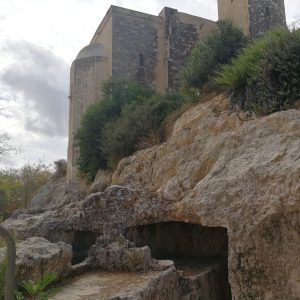
Next we overlook the Givati Parking Lot, the largest active excavation site in Jerusalem. While the area itself remains under excavation and cannot be entered, we observe the site from above and learn about some of the most recent discoveries uncovered here. From this point we continue through a mysterious underground canal (dry) that leads us toward the archaeological area near the Old City.
Old City Excavations & The Pilgrims’ Road
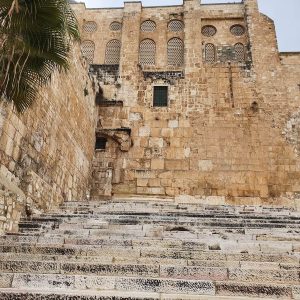
We continue into the archaeological excavations along the southern edge of the Old City, where layers from the Second Temple period have been uncovered. Here we walk along the remarkable Pilgrims’ Road, the ancient street used by Jewish pilgrims on their way to the Temple, which was newly opened to the public in February 2026. The tour also includes the impressive Western Wall Tunnels and the archaeological remains at the Davidson Center, where monumental stones, streets, and ritual structures reveal the scale and life of ancient Jerusalem during the Herodian period.
Mount Zion
Our journey continues to Mount Zion, a place sacred to several religious traditions. Here we visit the traditional site of the Tomb of King David and the Room of the Last Supper. Archaeological remains in the area illustrate the many historical layers of Jerusalem and the significance of this hilltop throughout different periods.
Ketef Hinnom (Hinnom’s Shoulder)
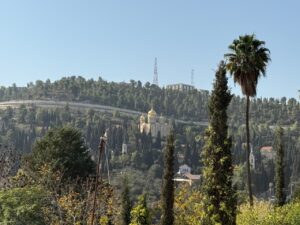
We conclude the tour at Ketef Hinnom, also known as Hinnom’s Shoulder, overlooking the dramatic Hinnom Valley. This site is famous for its ancient burial caves and for the discovery of the silver scrolls, the oldest known biblical texts ever found. From this panoramic viewpoint we reflect on the long history of Jerusalem and the many civilizations that shaped the city over thousands of years.