Meeting Point – Mishkenot Sha’ananim
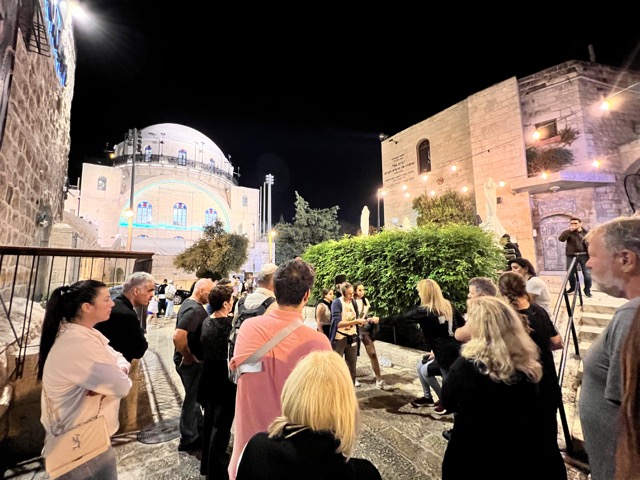
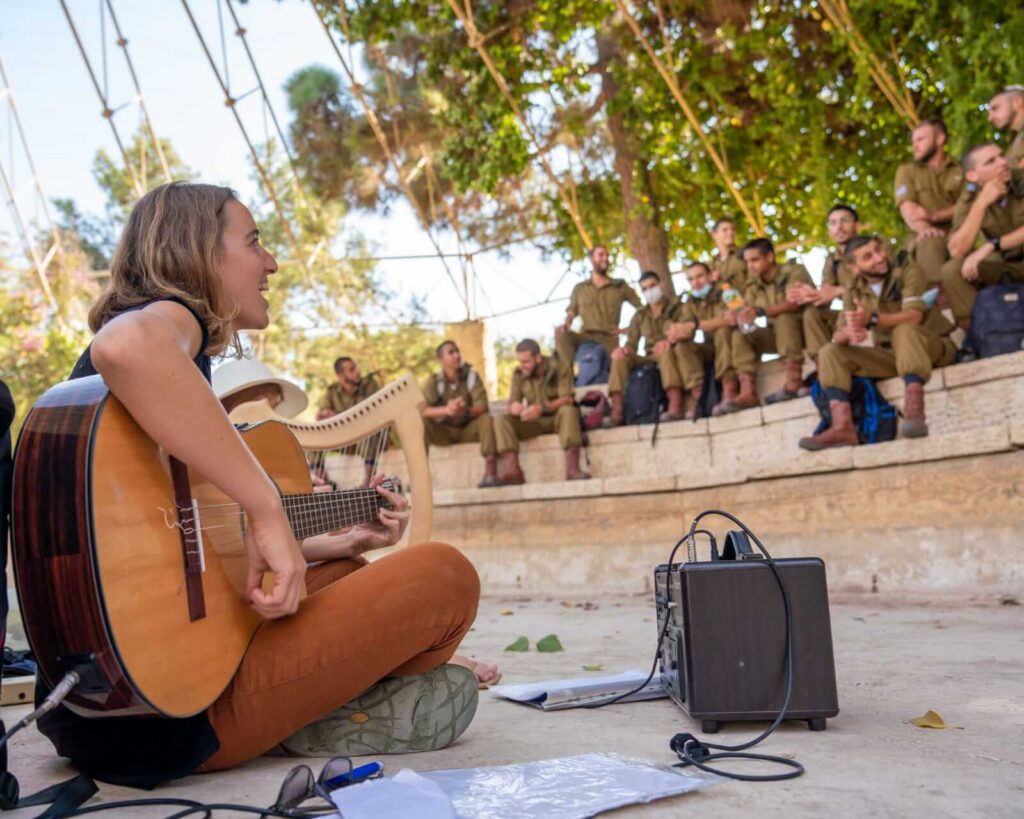
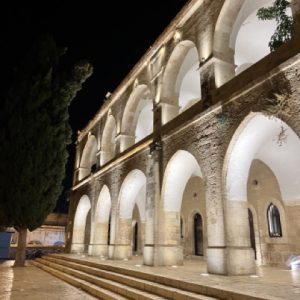
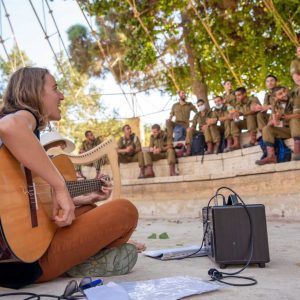
We begin the evening in Mishkenot Sha’ananim, the first Jewish neighborhood built outside the walls of the Old City in the 19th century. Overlooking the walls of Jerusalem, this historic neighborhood allows us to step into the story of Moses Montefiore and the first attempts to expand the city beyond the crowded Old City. Here we open the musical journey of the evening, introducing the tradition of piyut—Jewish liturgical poetry—and exploring how these melodies may have sounded hundreds and even thousands of years ago.
Music, Stories & Jerusalem’s Songs
As we walk toward the Old City, we weave together music and history. Along the way we explore the fascinating story behind one of Israel’s most famous songs, “Jerusalem of Gold,” and discover surprising connections between biblical figures, historical personalities such as King David and Moses Montefiore, and the musical traditions that shaped Jewish prayer. Throughout the walk we pause to sing together and experience how music has always been a powerful part of Jerusalem’s spiritual life.
Mount Zion – The Tomb of King David
Our path leads us to Mount Zion and the traditional site of King David’s Tomb. According to Jewish tradition, King David himself was a poet and musician who composed many of the Psalms. Standing in this historic place, we explore the deep connection between biblical poetry, music, and prayer—an idea that lies at the heart of the Selichot tradition.
Entering the Old City During Selichot
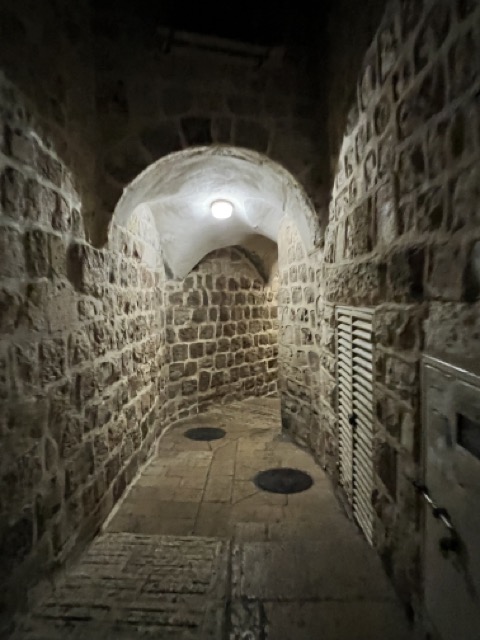
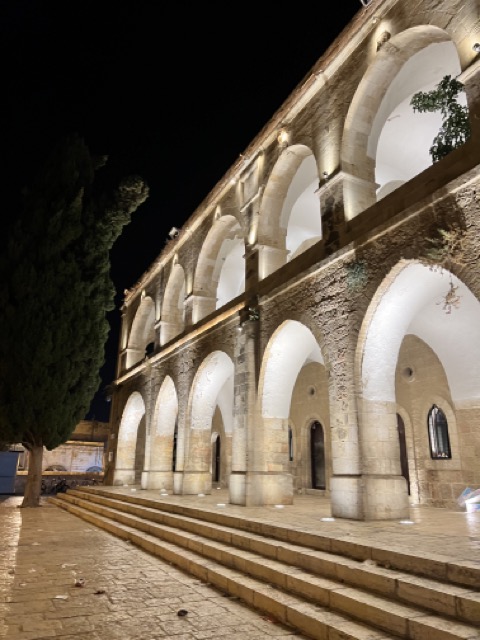
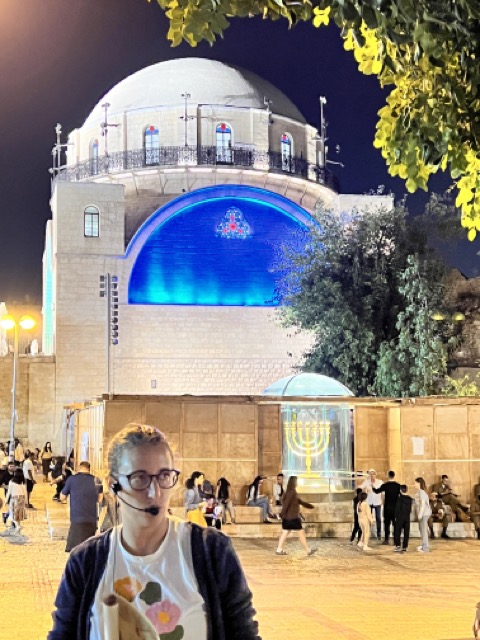
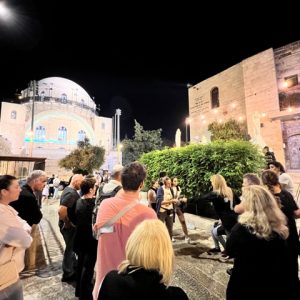
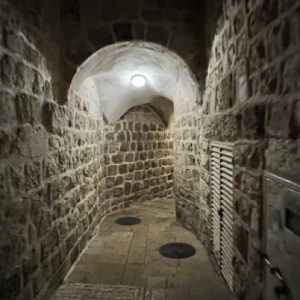
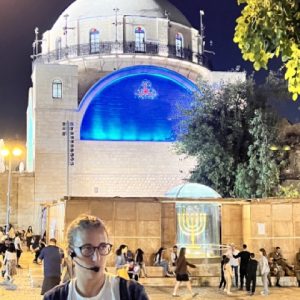
From Mount Zion we enter the streets of the Old City, which during the Selichot season are alive with visitors, worshippers, and late-night activity. As we walk through the Jewish Quarter we encounter ancient alleyways, historic synagogues, and stories from different periods of Jerusalem’s past. Along the way we discover the location of the earliest active synagogue in the Jewish Quarter and learn about the early charitable institutions that once supported Jerusalem’s poor residents.
Viewpoint over the Western Wall
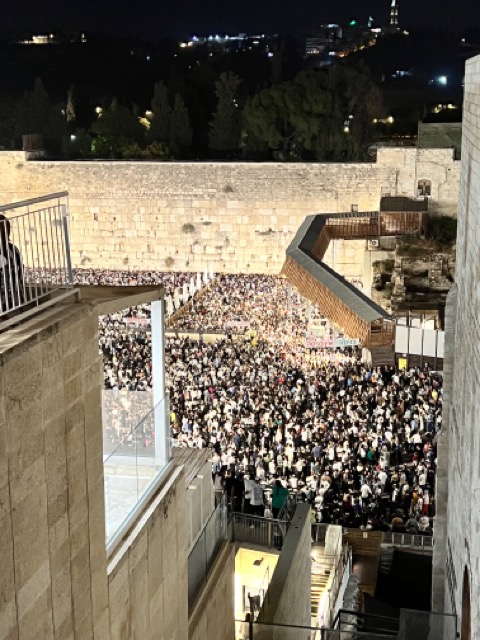
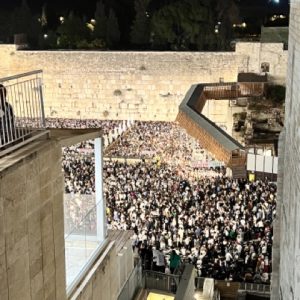
Before descending to the Western Wall plaza, we stop at a viewpoint overlooking the Temple Mount and the Western Wall. From here we pause for another musical moment, reflecting on the meaning of Jerusalem in Jewish tradition and preparing for the powerful experience that awaits below.
The Selichot Prayers at the Western Wall
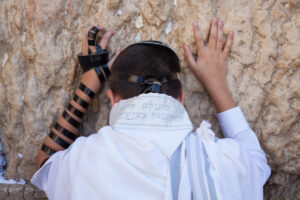
The tour concludes at the Western Wall during the Selichot prayers. Surrounded by thousands of worshippers gathering in the late-night hours before the High Holidays, we experience the unique atmosphere of Jerusalem at this special time of year. Here the melodies, prayers, and ancient words come together, offering a moving and unforgettable ending to this musical journey through the heart of the city.